Billy Mohler
From GRAMMY-nominated songwriting and production to modern jazz bandleading, Billy Mohler has built a career defined by range most musicians only dream of. We caught up with Billy to talk about life between genres, the mentors who shaped him, and the gear that keeps him moving from studio session to stage.
A
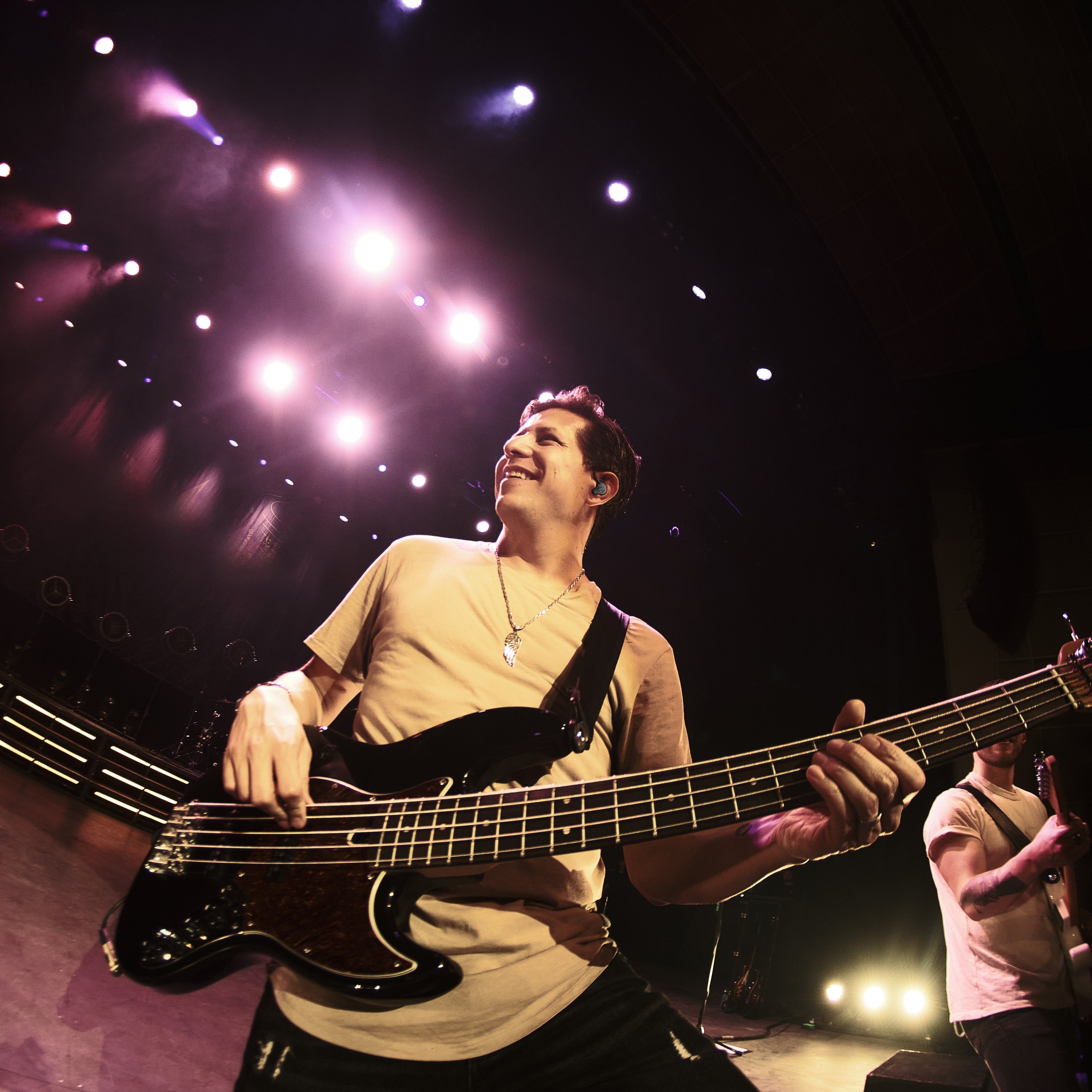
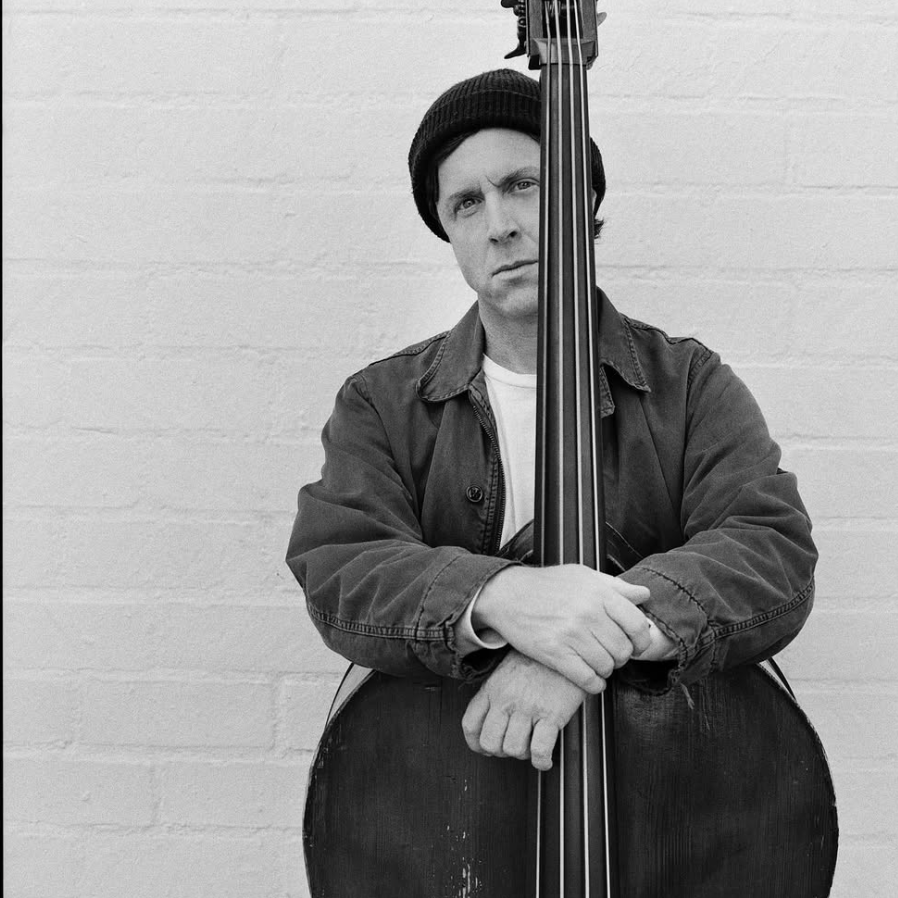
boundary-pushing jazz bassist, composer, and GRAMMY-nominated songwriter and producer, Billy has spent his career collaborating with icons and innovators alike—from Dolly Parton and Lady Gaga to Ringo Starr and Kacey Musgraves. Trained at Berklee and the Thelonious Monk Institute of Jazz under legends like Herbie Hancock and Terence Blanchard, Billy brings that same fearless musicality to his own work as a bandleader with the Billy Mohler Quartet. Whether he's leading his quartet through a headlining European tour, producing for chart-topping artists, or scoring film and national ad campaigns, Billy's restless curiosity and genre-defying instincts shine through in every project. Keep reading to learn more about him.
What initially inspired you to pursue a career in music?
My godfather is Bill Medley of The Righteous Brothers, so some of my earliest memories are going to Righteous Brothers concerts. Those shows had a huge impact on me. Bill actually bought me my first drum set when I was around three, so music was always around.
I didn’t pick up the bass until I was 15. A group of friends had a metal band and played a lunchtime concert at school, and that show totally changed my life! I remember watching them and just thinking, “I want to do that.” The bass player in that band was one of my oldest friends, Scott Hirsch, who went on to play with Hiss Golden Messenger. That was really the moment that got me started on bass.
Can you share a memorable moment from your musical journey that has had a significant impact on you?
Honestly, seeing my friends’ band play that lunchtime concert was a seismic event for me. I thought it was the coolest thing I’d ever seen, and for whatever reason, until that moment I hadn’t really realized that playing in a band was something I could actually do. Seeing them gave me the push to jump in headfirst.
I went home and immediately asked for a bass, and once I got one, I was completely obsessed. I don’t think a day went by where I wasn’t practicing from the time I got home until I went to bed. Sometimes I’d even wake up early before school just so I could practice. That one little lunchtime concert really changed the entire direction of my life.
What influences have shaped your style of music?
I think art is really a reflection of life, so the things I’ve lived through and experienced are probably the biggest influence on my music. Musically, I also get a ton of inspiration from my friends. I love hearing the records they make and seeing where they’re going creatively. Being surrounded by people making great music always pushes me to explore new things and keep growing.
If you could create a soundtrack for any historical event, which one would it be and why?
I think it would have to be the days just after the Normandy invasion. My wife’s grandfather landed on Omaha Beach a few days after D-Day, and having heard his stories, I’ve often thought about what that must have felt like—arriving there, seeing what had just happened, and not knowing what was ahead. Trying to capture even a little bit of that emotion through music would be pretty powerful.
If you could teleport to any concert in history, which one would you attend and why?
That’s a no-brainer, the John Coltrane Quartet at the Village Vanguard! To be in that room and hear that band at that moment in time would be unbelievable. If I get a second teleport, I’m going straight to the Miles Davis Quintet at the Plugged Nickel!
If you could collaborate with any artist, living or deceased, who would it be and why?
I would have loved to work with Billy Higgins or Elvin Jones. Either one of those would have been completely otherworldly! There’s just something about the way they played and the feeling they brought to the music that I would have loved to experience firsthand. As far as living artists, I love Bill Frisell and would absolutely love to play with him at some point.
What's the most memorable feedback or reaction you've received from a fan?
Anytime someone tells me that my music or playing inspired them to pick up an instrument or make music of their own, that means the world to me. I know how powerful that can be because my friends did exactly that for me when I was 15. Sometimes all it takes is that first little bit of inspiration to push you over the edge and make you realize, “Hey, I can do this too!”
How did your collaboration with Plunge Audio begin?
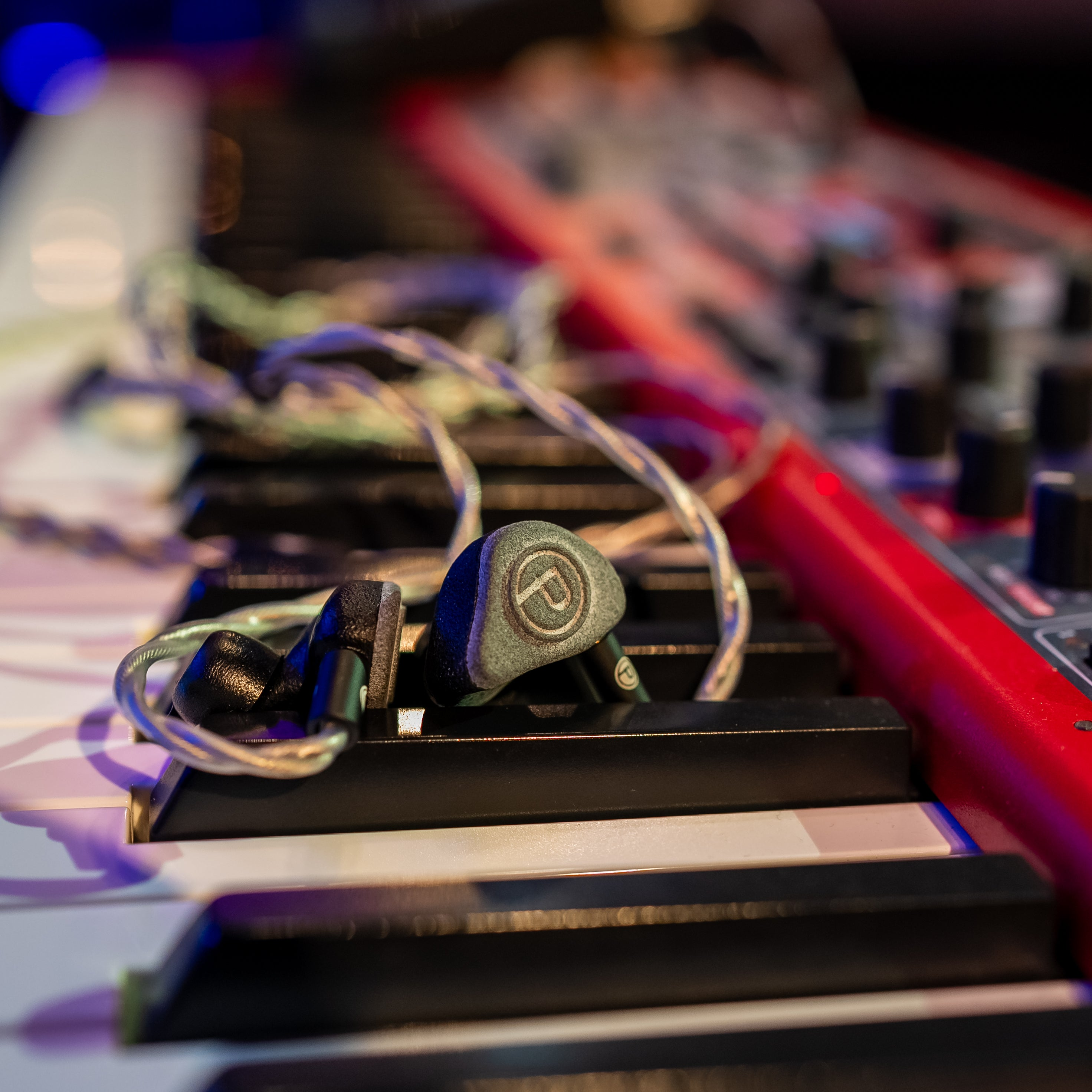
The Smashing Pumpkins asked me to join them for their July 4th performance at the LA Coliseum for America’s Block Party, celebrating 250 years. I only had about few weeks to prepare for the show and no rehearsal! I had an older set of IEMs and remember thinking, “I need to figure out some new ears fast.”
Literally that same day, my good friend Tim Lefebvre posted an Instagram story raving about his Plunge Audio IEMs. I immediately sent him a message, and the rest is history!
Going into a gig like that with no rehearsal, I needed everything on my end to be completely dialed in. The Pumpkins don’t have any amps on stage, so having really solid bass response in my ears was incredibly important. The Plunge IEMs absolutely delivered. The gig sounded like a record in my ears! It made such a huge show feel incredibly comfortable, and I’ve been a fan ever since.
What specific features do you look for when choosing IEMs for your performances?
Comfort and fidelity, hands down! If I’m wearing IEMs for hours, they have to feel great, but they also need to sound natural and inspiring. I want to hear the music with clarity and detail, but still feel the weight and energy of what’s happening, especially the bass!
What advice would you give to other musicians who are considering using IEMs for the first time?
Don’t listen too loud! It feels so good to crank IEMs up, but ear fatigue is real. I always try to start with the volume relatively low and gradually creep it up as needed.
Another big one is during soundcheck. Before the whole band starts playing, keep your IEM volume way down. You never know when something might accidentally feedback or a signal might come through way hotter than expected. Starting low can save your ears! You can always turn them up, but you can’t undo the damage from one insanely loud blast in your ears.